

In the transportation industry, fuel efficiency is a crucial factor that significantly impacts operational costs and environmental sustainability. As a supplier of bulk cement tank trailers, I understand the importance of helping our customers optimize their fuel consumption. In this blog post, I will share some effective strategies to improve the fuel efficiency of a bulk cement tank trailer.
1. Trailer Design and Aerodynamics
The design of the bulk cement tank trailer plays a vital role in its fuel efficiency. A well-designed trailer with smooth contours and reduced wind resistance can significantly reduce the amount of energy required to move the trailer forward. Here are some design features that can enhance aerodynamics:
- Streamlined Shape: Opt for a trailer with a streamlined shape that minimizes drag. A rounded or tapered front end can help reduce air resistance, especially at high speeds.
- Side Skirts: Install side skirts along the sides of the trailer to reduce the turbulence created by the airflow underneath the trailer. This can improve fuel efficiency by up to 5%.
- Roof Fairings: Roof fairings can be added to the top of the trailer to smooth out the airflow over the trailer, reducing drag and improving fuel economy.
2. Tire Selection and Maintenance
Tires are another critical factor that affects fuel efficiency. Choosing the right tires and maintaining them properly can significantly reduce rolling resistance and improve fuel economy. Here are some tips for tire selection and maintenance:
- Low Rolling Resistance Tires: Invest in low rolling resistance tires specifically designed for commercial vehicles. These tires are engineered to reduce the energy required to roll the tire, resulting in improved fuel efficiency.
- Proper Tire Inflation: Maintaining proper tire inflation is essential for optimal fuel efficiency. Underinflated tires increase rolling resistance, which can lead to higher fuel consumption. Regularly check the tire pressure and ensure it is at the recommended level.
- Tire Rotation: Rotate the tires regularly to ensure even wear. Uneven tire wear can increase rolling resistance and reduce fuel efficiency.
3. Load Management
Proper load management is crucial for improving fuel efficiency. Overloading the trailer can increase the weight and drag, resulting in higher fuel consumption. Here are some tips for load management:
- Optimal Loading: Ensure that the trailer is loaded to its optimal capacity without exceeding the weight limit. Overloading not only reduces fuel efficiency but also increases the risk of accidents and damage to the trailer.
- Distribution of Load: Distribute the load evenly across the trailer to maintain balance and stability. Uneven loading can cause the trailer to sway, increasing drag and reducing fuel efficiency.
- Unnecessary Weight: Remove any unnecessary weight from the trailer, such as tools, equipment, or debris. Every extra pound of weight increases the fuel consumption.
4. Driving Habits
Driving habits also have a significant impact on fuel efficiency. Aggressive driving, such as rapid acceleration, hard braking, and high-speed driving, can increase fuel consumption. Here are some tips for improving driving habits:
- Smooth Acceleration and Braking: Accelerate and brake smoothly to avoid unnecessary fuel consumption. Rapid acceleration and hard braking waste fuel and increase wear and tear on the vehicle.
- Maintain a Steady Speed: Maintain a steady speed whenever possible to reduce fuel consumption. Constantly changing speed increases drag and requires more energy to move the trailer forward.
- Use Cruise Control: Use cruise control on highways to maintain a consistent speed and improve fuel efficiency. Cruise control helps to avoid unnecessary speed fluctuations and saves fuel.
5. Maintenance and Servicing
Regular maintenance and servicing of the bulk cement tank trailer are essential for optimal fuel efficiency. A well-maintained trailer operates more efficiently and consumes less fuel. Here are some tips for maintenance and servicing:
- Engine Tune-Up: Schedule regular engine tune-ups to ensure that the engine is running at its optimal performance. A poorly tuned engine can consume more fuel and emit more pollutants.
- Air Filter Replacement: Replace the air filter regularly to ensure that the engine is getting enough air. A clogged air filter restricts airflow, reducing engine performance and increasing fuel consumption.
- Oil Change: Change the oil and oil filter at the recommended intervals to keep the engine lubricated and running smoothly. Dirty oil can increase friction and reduce fuel efficiency.
6. Technology and Innovation
Advancements in technology have led to the development of various fuel-saving technologies for commercial vehicles. Here are some technologies that can improve the fuel efficiency of a bulk cement tank trailer:
- Engine Management Systems: Engine management systems use sensors and algorithms to optimize the engine performance and reduce fuel consumption. These systems can adjust the fuel injection, ignition timing, and other parameters based on the driving conditions.
- Hybrid and Electric Vehicles: Hybrid and electric vehicles are becoming increasingly popular in the transportation industry due to their lower fuel consumption and emissions. Consider investing in hybrid or electric bulk cement tank trailers to reduce your carbon footprint and save on fuel costs.
- Telematics Systems: Telematics systems can provide real-time data on fuel consumption, vehicle performance, and driving habits. This data can be used to identify areas for improvement and implement fuel-saving strategies.
Conclusion
Improving the fuel efficiency of a bulk cement tank trailer requires a combination of trailer design, tire selection, load management, driving habits, maintenance, and technology. By implementing these strategies, you can significantly reduce your fuel consumption, lower your operating costs, and contribute to a more sustainable environment.
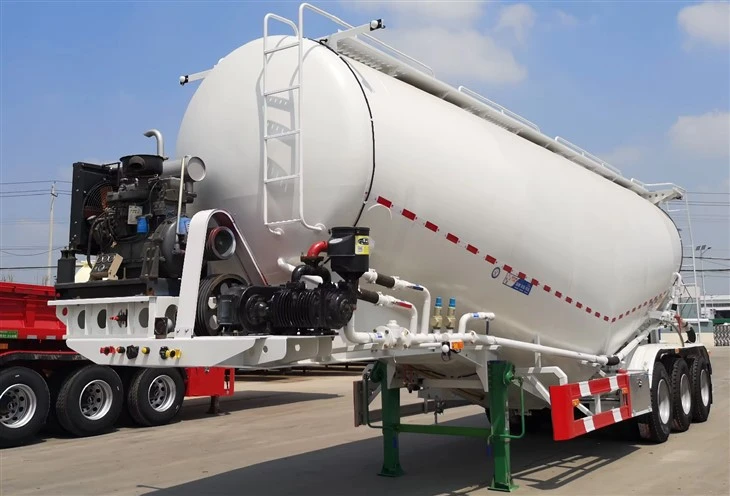
As a supplier of bulk cement tank trailers, we offer a wide range of high-quality trailers that are designed to be fuel-efficient and environmentally friendly. Our 35cbm Cement Tanker Trailer, Dry Bulk Cement Silo Tank Semi Trailer, and 3 Axles Cement Bulker Semi Trailer are all engineered to provide optimal performance and fuel efficiency.
If you are interested in improving the fuel efficiency of your bulk cement tank trailer or purchasing a new trailer, please contact us for more information. Our team of experts will be happy to assist you in finding the right solution for your needs.

References
- SAE International. (2019). Fuel Efficiency Best Practices for Commercial Vehicles.
- Environmental Protection Agency. (2020). SmartWay Transport Partnership: Fuel Efficiency Strategies for Trucks.
- National Renewable Energy Laboratory. (2021). Electric and Hybrid Trucks: A Technology Overview.