

Hey there! As a supplier of Rear Dump Tipper Trailers, I've seen firsthand how dust can be a real pain in the you - know - what during the operation of these trailers. Dust not only poses health risks to workers but also has a negative impact on the environment. So, I'm gonna share some effective dust - control measures for Rear Dump Tipper Trailers with you.
1. Water Spraying Systems
One of the most common and straightforward ways to control dust is by using water spraying systems. These systems can be installed on the trailer itself or at the loading and unloading sites.
When it comes to trailer - mounted water spraying systems, they work by spraying a fine mist of water over the load. This mist wets the material, making it less likely to generate dust when the trailer is in motion or during dumping. You can adjust the water flow rate according to the type of material being transported. For example, if you're carrying fine sand, you might need a higher water flow compared to coarser gravel.
At the loading and unloading sites, fixed water spraying systems can be set up. These systems can cover a larger area and ensure that dust is suppressed right from the start. For instance, at a construction site where a 35CBM 4 Axle Semi Tipper Trailer is being loaded with soil, a well - placed water spraying system can prevent dust from spreading into the surrounding air.
2. Enclosed Bodies
Another great dust - control measure is using trailers with enclosed bodies. Enclosed Rear Dump Tipper Trailers prevent dust from escaping during transportation. The enclosed design keeps the load contained, reducing the amount of dust that is kicked up by the wind as the trailer moves.
There are different types of enclosed bodies available. Some are made of hard - sided materials like steel or aluminum, which provide a high level of dust protection. Others use flexible tarps that can be easily opened and closed for loading and unloading. The 3 Axle U Shape Tipper Trailer For Sale can be equipped with an enclosed body option to help with dust control. This is especially useful when transporting materials like cement or agricultural products that are prone to generating a lot of dust.
3. Dust Suppression Agents
Dust suppression agents are chemicals that can be added to the water used in spraying systems or directly applied to the load. These agents work by binding the dust particles together, making them heavier and less likely to become airborne.
There are different types of dust suppression agents available on the market. Some are biodegradable and environmentally friendly, which is a big plus. Others are designed for specific types of materials. For example, there are agents that work well for coal dust, while others are more effective for limestone dust. When using dust suppression agents, make sure to follow the manufacturer's instructions carefully to ensure optimal results.
4. Regular Maintenance
Regular maintenance of the Rear Dump Tipper Trailer is crucial for effective dust control. A well - maintained trailer is less likely to have leaks or loose parts that can cause dust to escape.
Check the trailer's seals regularly. Over time, the seals around the body, doors, and joints can wear out, allowing dust to seep through. Replace any damaged seals promptly. Also, make sure the trailer's hydraulic system is in good working condition. A faulty hydraulic system can cause uneven dumping, which might lead to more dust generation.

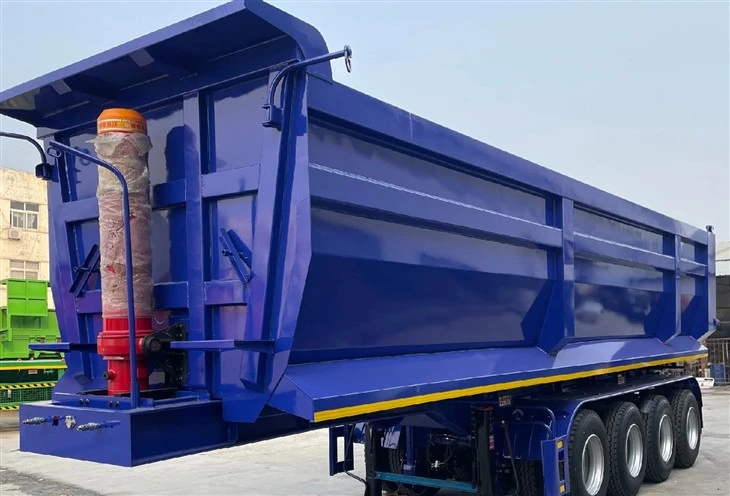
Inspect the tires as well. Worn - out tires can create more dust when the trailer is moving. Keep the tires properly inflated and replace them when they reach the end of their lifespan.
5. Speed Control
Controlling the speed of the Rear Dump Tipper Trailer can also help with dust control. When a trailer moves at high speeds, the wind generated around it can pick up dust from the load and spread it into the air.
Encourage your drivers to drive at a reasonable speed, especially when carrying dusty materials. Slowing down reduces the airflow around the trailer, minimizing the amount of dust that is lifted off the load. This is not only good for dust control but also improves safety on the roads.
6. Loading and Unloading Techniques
Proper loading and unloading techniques can significantly reduce dust generation. When loading the trailer, try to fill it evenly to prevent uneven distribution of the load. An uneven load can cause the trailer to tilt during transportation, which might lead to dust spilling out.
During unloading, use a controlled dumping process. Avoid dumping the load too quickly, as this can create a large cloud of dust. Instead, dump the load in a slow and steady manner. For example, with a Universal Rear Tipping Semi - Trailer, you can adjust the dumping speed to ensure that dust is kept to a minimum.
Why Choose Our Rear Dump Tipper Trailers?
We take dust control seriously. Our trailers are designed with these dust - control measures in mind. Whether you need a 35CBM 4 Axle Semi Tipper Trailer, a 3 Axle U Shape Tipper Trailer, or a Universal Rear Tipping Semi - Trailer, we have the right solution for you.
Our trailers are built with high - quality materials and advanced technology to ensure optimal performance and dust control. We also offer customization options, so you can choose the dust - control features that best suit your needs.
If you're in the market for a Rear Dump Tipper Trailer and want to keep dust under control, don't hesitate to reach out. We're here to help you find the perfect trailer for your business. Contact us today to start the procurement process and let's discuss how we can meet your requirements.
References
- "Dust Control in Construction and Mining" - Industry research report
- "Best Practices for Trailer Maintenance" - Transportation magazine articles
So, there you have it! These are some of the top dust - control measures for Rear Dump Tipper Trailers. If you have any questions or need more information, feel free to get in touch.