

Hey there! I'm a supplier of side wall semi - trailers, and I often get asked about the licensing requirements for these bad boys. So, I thought I'd put together this blog to share everything you need to know.
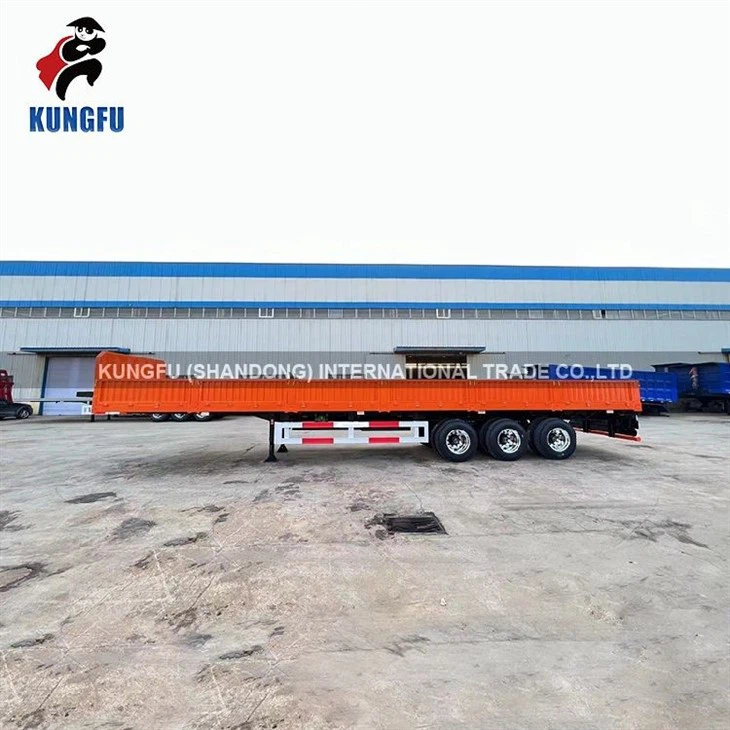
First off, let's talk about what a side wall semi - trailer is. It's a type of trailer that has walls on the sides, which is great for protecting the cargo from the elements and for security. We offer different models like the 40Ft Sidewall Trailer, the Sidewall Cargo Semi Trailer, and the 60 Ton Sidewall Semi Trailer. Each of these trailers has its own unique features and uses, but they all fall under the category of side wall semi - trailers.
Now, let's dive into the licensing requirements. The licensing for a side wall semi - trailer can vary a lot depending on where you're operating. In the United States, for example, the Federal Motor Carrier Safety Administration (FMCSA) has some basic rules that apply across the country, but each state also has its own set of regulations.
Federal Requirements
The FMCSA requires that all commercial motor vehicles, including those towing side wall semi - trailers, meet certain safety standards. This includes things like having proper brakes, lights, and reflectors. You'll also need to make sure your trailer is registered with the FMCSA. This involves getting a Motor Carrier (MC) number and a Unified Carrier Registration (UCR). The MC number is like an ID for your business, and the UCR is a registration system that helps states collect fees from carriers operating in their jurisdiction.
Another important federal requirement is the Department of Transportation (DOT) number. If your side wall semi - trailer is used in interstate commerce and weighs over 10,000 pounds (or is part of a combination vehicle that weighs over 10,000 pounds), you'll need a DOT number. This number is used to track your vehicle's safety records and compliance with federal regulations.
State - Specific Requirements
As I mentioned, each state has its own rules. Some states may require additional permits for overweight or over - dimensional loads. For example, if your side wall semi - trailer is carrying a load that's wider, taller, or heavier than the standard limits, you'll need to get a special permit. These permits usually have specific routes and time restrictions, so you'll need to plan your trip carefully.
In some states, you may also need to have your side wall semi - trailer inspected regularly. This inspection will check things like the trailer's structure, tires, and suspension. If your trailer fails the inspection, you'll need to make the necessary repairs before you can continue using it.
Insurance Requirements
Insurance is a must - have when it comes to operating a side wall semi - trailer. You'll need to have liability insurance to cover any damage or injury you may cause while on the road. The amount of insurance required can vary by state and by the type of cargo you're carrying. For example, if you're transporting hazardous materials, you'll need to have a higher level of insurance coverage.
Some states also require physical damage insurance, which covers damage to your side wall semi - trailer itself. This can be a good idea, especially if you've invested a lot of money in your trailer.
Driver Licensing
The driver of the vehicle towing the side wall semi - trailer also needs to have the proper license. In most cases, you'll need a Commercial Driver's License (CDL). The type of CDL you need depends on the weight of the vehicle and trailer combination and the type of cargo you're carrying.

There are three classes of CDLs: Class A, Class B, and Class C. Class A is for combination vehicles with a Gross Combination Weight Rating (GCWR) of 26,001 pounds or more, where the towed vehicle weighs more than 10,000 pounds. Class B is for single vehicles with a GCWR of 26,001 pounds or more, or any such vehicle towing a vehicle that weighs less than 10,000 pounds. Class C is for vehicles that don't meet the criteria for Class A or B but are used to transport 16 or more passengers (including the driver) or hazardous materials.
Getting Your Trailer Certified
Once you've met all the licensing and insurance requirements, you may also want to get your side wall semi - trailer certified. There are some independent organizations that offer certification programs. These programs can help you demonstrate that your trailer meets certain quality and safety standards. This can be a big selling point if you're planning to resell your trailer in the future or if you want to work with larger companies that require certified equipment.
Cost Considerations
Getting all the necessary licenses, permits, and insurance for your side wall semi - trailer can be expensive. You'll need to budget for things like registration fees, insurance premiums, and inspection costs. However, it's important to remember that these costs are an investment in the safety and legality of your operation. Cutting corners on licensing and insurance can lead to big fines and legal problems down the road.
How to Stay Compliant
Staying compliant with all the licensing requirements can be a challenge, but there are some things you can do to make it easier. First, keep detailed records of all your licenses, permits, and inspections. This will help you stay on top of when things need to be renewed.
Second, stay up - to - date on any changes in the regulations. The FMCSA and state transportation departments often update their rules, so it's important to follow their announcements and newsletters.
Finally, consider working with a transportation compliance company. These companies can help you navigate the complex world of licensing and regulations, and they can also assist with things like permit applications and insurance management.
Conclusion
So, there you have it - the ins and outs of the licensing requirements for a side wall semi - trailer. It's a lot to take in, but by understanding the federal and state rules, getting the right insurance, and making sure your driver has the proper license, you can operate your side wall semi - trailer legally and safely.
If you're in the market for a side wall semi - trailer, we've got a great selection to choose from. Whether you need a 40Ft Sidewall Trailer for general cargo or a 60 Ton Sidewall Semi Trailer for heavy - duty loads, we can help. Contact us today to start the conversation about your trailer needs and to learn more about how we can assist you in getting your trailer on the road legally.
References
- Federal Motor Carrier Safety Administration (FMCSA)
- Department of Transportation (DOT)
- Various state transportation departments